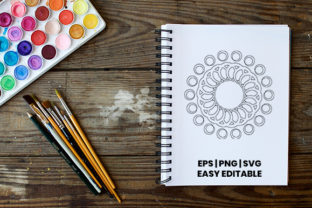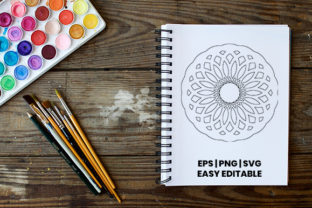
A Designer's Take on Mandala Coloring Page Template 2
When a new design file lands on my desk, my first thought isn't just about how it looks on the screen. It's about how it will feel stitched onto fabric, how it will hold up on a finished product, and whether it can carry the weight of a client's vision. Let's walk through Mandala Coloring Page Template 2 with that same practical lens, imagining it not as a digital graphic, but as an embroidered reality.
The First Impression: A Canvas of Calm Complexity
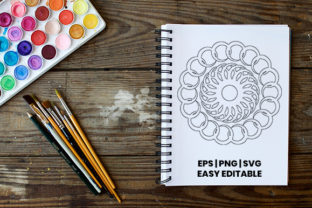
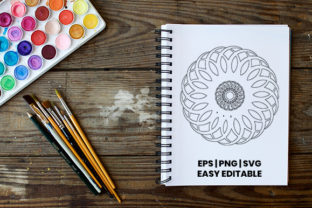
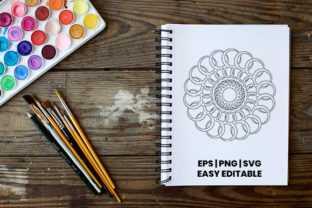
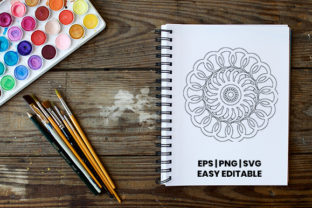
Opening this mandala set, the immediate mood is one of balanced intricacy. These aren't overly chaotic patterns; they have a harmonious, structured layout that suggests mindfulness and craftsmanship. The visual personality is serene yet detailed, which translates beautifully into embroidery. It creates a sense of a thoughtful, handmade object rather than a mass-produced graphic. This is the kind of design that belongs on projects where the presentation is meant to feel special—a personalized gift, boutique merchandise, or a decorative home item.
Where This Mandala Finds Its True Home
In my hands, this template naturally points towards projects where its symmetrical beauty can shine without being overwhelmed by the garment itself. Imagine a custom embroidered tote bag. The mandala's circular form sits perfectly in the center panel, its details rendered in a mix of satin and fill stitches, becoming a statement piece that elevates a simple bag. On a pillow cover for a nursery or living room, it becomes a focal point of decor. Stitched onto a high-quality sweatshirt, it moves from a basic graphic to a textured, tactile design that adds perceived value.
For craft businesses and Etsy sellers, this is a versatile asset. It can anchor a line of holiday gifts—think embroidered tea towels or festive kitchen aprons. As a patch, applied to a backpack or cap, it offers a recognizable, artistic emblem. The key here is that the design's inherent "niceness," as described, is its strength; it's inherently giftable and has a broad, appreciative audience.
Performance in Real-Life Embroidery Situations
Moving from impression to execution, we need to think about the stitch. The provided SVG and EPS files being easy to edit for size and color is a significant advantage for embroidery. It means you can adapt the scale precisely for your hoop size and experiment with thread color schemes without starting from scratch.
For custom apparel like t-shirts or baby clothes, scaling the mandala appropriately is crucial. On a delicate baby blanket, a slightly enlarged version with softer stitch densities would work beautifully. For a dense sweatshirt fabric, you might opt for a more compact version with clearer, defined lines to ensure stitching clarity. On a tote bag, which can handle more density, you could explore richer fill stitch areas within the pattern.
This flexibility makes it a candidate for everything from a single, cherished wedding gift to consistent small shop merchandise where you want brand consistency across different products—like a series of embroidered pillow covers and matching wall decor.
The Scenarios That Demand Extra Care
Not every project is a perfect fit, and a professional review must highlight where to proceed cautiously. The intricate detail level in some of these mandalas means they should be used carefully on very small hoop sizes. Tiny, intricate corners might not translate cleanly if the design is minimized too much for a cap or a small patch.
Textured or stretchy fabrics could distort the symmetrical perfection if stabilizer isn't used optimally. Embroidering onto dark fabric requires thoughtful thread color contrast—a detail you can edit in the SVG file, but must plan for. Also, on products destined for frequent washing, like kitchen towels or aprons, you'd want to test the stitch density to ensure the design holds up over time without puckering or thread breakage in dense areas.
Impact on Product Value and Customer Perception
How does using Mandala Coloring Page Template 2 affect the finished product's appeal? A well-embroidered mandala conveys craftsmanship. It suggests the maker invested time and care, which builds customer trust and enhances the handmade presentation. For a creative entrepreneur, this elevates a basic item into a desirable, gift-worthy product. It adds a layer of professionalism to your craft business items.
In a commercial embroidery project for a client, such a design offers a recognizable, aesthetically pleasing result that feels complete and intentional. It engages buyers because it's not generic; it's a specific, artistic choice. This is particularly valuable for digital product sellers offering printable mockups or for apparel decorators looking to offer unique designs that stand out in a marketplace.
Practical Notes from the Embroidery Desk
Before committing this design to a final project, my routine applies. Always test on scrap fabric first, using the same material and stabilizer you plan for the final product. This reveals how the details translate, the true stitch density, and any potential issues with small elements.
Check thread color contrast by viewing the design in both black and white mockups to understand its form without color. Compare how it will look on light and dark fabric backgrounds—the PNG without background is helpful here for previews. Crucially, confirm the licensing terms for this design file before selling finished items or incorporating it into commercial embroidery projects. The product description mentions these mandalas are available individually within a subscription, so understanding the usage rights is an essential step.
Finally, consider the design's journey. From an editable SVG file on your screen to a physical satin stitch on a tote bag, this mandala template has the potential to become more than a coloring page. It becomes a texture, a gift, and a testament to thoughtful design application. That’s the real measure of its value for makers and business owners.