Mandala Coloring Page Template 4: A Designer's Embroidery Review
The Immediate Impact: A Balanced, Expressive Foundation
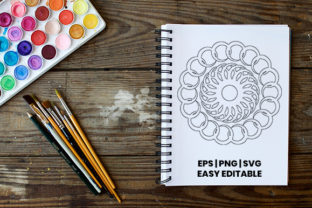
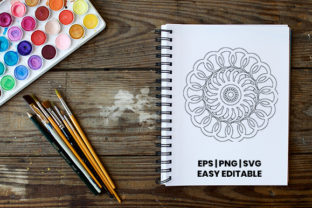
Opening Mandala Coloring Page Template 4, the first impression is one of elegant symmetry with a gentle, artistic personality. This isn't an overly complex or rigid mandala; it feels accessible, a design that invites customization rather than dictates it. The layout is clear and the detail level appears thoughtfully balanced—not so sparse that it looks empty on a garment, but not so dense that it becomes a stitching challenge. The mood it creates is calming and decorative, leaning towards modern craft rather than traditional ornament. For an embroidery designer, this translates to a versatile foundation. I immediately pictured it on a linen tote bag or the front panel of a relaxed-fit sweatshirt, where its circular form would sit comfortably and command attention without overwhelming the fabric.
Where This Design Finds Its Perfect Stitch
In real-life embroidery situations, this mandala template shines in specific applications. Its clean, defined lines make it an excellent candidate for satin stitch borders and fill stitch centers, allowing for beautiful color-blocking effects. I recently considered it for a custom baby blanket project, where the soft, rounded shapes felt safe and sweet, perfect for nursery decor. For small business merchandise, like a boutique's embroidered apron or a series of kitchen towels, this design offers a recognizable, brandable motif that customers would associate with quality handmade products.
It also holds significant potential for embroidered patches. The well-separated elements mean patches would retain clarity even at modest sizes, ideal for craft fair items or personalized gifts. For Etsy sellers creating digital product previews or printable mockups, the provided file formats—SVG and EPS—are crucial. Their easy editability means you can quickly adapt the size and color to fit your mockup, making your listings look professional and cohesive. In commercial embroidery projects, such as a small batch of caps for a local event, this mandala’s balanced detail would stitch out cleanly, promoting buyer engagement through its pleasing, uncluttered visual appeal.
The Practical Considerations: Where to Hoop and Where to Hesitate
While the design is adaptable, a professional knows that every file performs differently under the needle. For Mandala Coloring Page Template 4, its success hinges on mindful application.
Excellent fits include:
- Custom apparel like t-shirts and sweatshirts on stable, mid-weight fabrics.
- Home decor items such as pillow covers and tea towels.
- Personalized gifts like wedding or holiday gifts, where its aesthetic boosts giftability.
- Products where stitching clarity is paramount for a professional finish, like tote bag designs.
Use with more care on:
- Very small hoop sizes. The smaller you go, the closer those details become. Test a section first on scrap fabric.
- Highly textured or stretchy fabric, like some knits, which may distort the symmetrical lines.
- Dark fabric backgrounds without thorough planning for thread color contrast. A light-colored fill stitch might need a very good stabilizer to pop.
- Curved surfaces like caps, where the circular design can work beautifully, but you must check stitch density to avoid puckering on the curve.
The design’s strength for a craft business is its consistency; it can become a part of your brand's visual language. However, always test the design on scrap fabric first, comparing how it looks on both light and dark backgrounds. Inspect the small details in your test run to ensure they translate well into physical stitches.
From Digital File to Finished Product: The Designer's Checklist
Before committing this design to a client project or your small shop product lineup, here’s my practical workflow.
- File Evaluation: The product description notes SVG and EPS files are easy to edit for size and color. This is a major advantage. Resize it to your intended hoop size and examine the paths. Do the lines remain clean? This is key for machine embroidery design conversion.
- Context Mockup: Even before stitching, drop the PNG into a mockup of your final product—a sweatshirt embroidery or tote bag design. Does the scale feel right? Does the mood match the product?
- Stitch Strategy: Decide on your stitch types. Will you use a running stitch for the outlines and a fill for the centers? Plan your thread colors accordingly, considering fabric texture.
- Stabilizer Selection: For the best handmade presentation, choose a stabilizer suited to your fabric. This ensures the mandala’s shape stays crisp after washing.
- Commercial Confidence: The product mentions individual mandalas are available in the shop. If using this for commercial embroidery or selling finished items, always confirm the licensing terms directly from the source before proceeding. This protects your business and builds customer trust.
The Final Verdict: Value Beyond the Screen
Mandala Coloring Page Template 4 isn't just a graphic; it's a highly adaptable embroidery project starter. Its real value emerges in the transition from screen to stitch. When embroidered well on a suitable product, it elevates the item's perceived worth. A simple tea towel becomes a boutique product; a basic sweatshirt turns into a thoughtful, custom apparel gift. For creative entrepreneurs and makers, this kind of design asset reduces design time, allowing you to focus on craftsmanship and customer relationships.
My final thought, while imagining it stitched onto a canvas pillow cover for a client, is that its success will depend on your embroidery choices. It’s a template that supports your skill, not one that does the work for you. Pair it with thoughtful color choices, appropriate fabrics, and professional finishing techniques, and Mandala Coloring Page Template 4 will reliably become a part of beautiful, marketable finished products that feel both personal and polished.