Mandalas and Monograms: A Practical Design Evaluation
The First Impression: A Balanced, Versatile Foundation
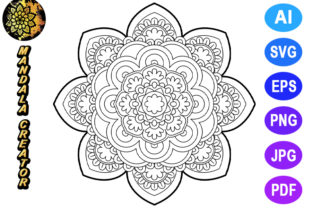
Opening the Mandala Cut File Monogram Vector V-1, my immediate thought was how well it bridges decorative flair with structural clarity. Mandala designs can easily become too busy for successful stitching, but this one feels thoughtfully composed. The circular mandala framework provides a ready-made border, giving the central monogram letter a stage to perform. This isn’t just a graphic; it’s a ready-to-use layout for an embroidery project, which saves precious design time. The mood is modern yet timeless—it could feel bohemian on a tote bag or elegantly personalized on a pillow cover. Its visual personality is adaptable, which is a huge plus for designers working with diverse client tastes.
Where This Design Thrives in Real Projects
Let’s talk application. I envisioned using this for a custom embroidered sweatshirt for a client’s boutique. The mandala’s symmetrical detail would work beautifully as a large back-piece, with the monogram adding that personal touch buyers love. The embroidery file’s clean vector lines suggest it will translate well into satin stitch borders and fill stitch areas for the mandala patterns, provided the stitch density is managed correctly. It’s equally promising for a simpler project, like a kitchen towel or a baby blanket—where the mandala becomes a decorative corner accent and the monogram initials make it a cherished gift.
For craft business owners, this design is a solid asset. Think about creating a series of embroidered patches with different initials, or offering personalized aprons for a cooking club. The design has a completeness that enhances product value. On a tote bag, it looks professional and gift-ready; on a cap, despite the curved surface, the circular form should adapt reasonably if hooped carefully. It’s the kind of finished product that photographs well for Etsy listings or printable mockups, aiding in buyer engagement.
A Natural Fit for Personalized Commerce
For small shop product lines, consistency is key. Using this same mandala framework with different monograms across a product range—from sweatshirts to pillow covers—creates strong brand consistency. Customers recognize the style, which builds trust. As a digital embroidery file, its utility for commercial embroidery projects is inherent, but I always advise confirming the specific licensing terms provided with the download before selling the physical items.
Considerations for Successful Stitching
This design’s elegance brings some practical embroidery considerations. The detail level in the mandala means it’s likely not suited for very small hoop sizes. Stitching it on a tiny area would lose definition and could lead to crowded, dense stitch areas that might pucker fabric. I’d recommend testing it on your intended fabric first—especially on textured fabrics like towels or on stretchy fabric like t-shirts, where proper stabilizer choice is critical.
Dark fabric backgrounds can make any design pop, but with intricate patterns, thread color contrast becomes paramount. You might need a bright, solid thread for the mandala outline to maintain clarity. Also, consider the scale when applying it to items with detailed corners or layered garments. Always test the design on scrap fabric first to inspect how the smaller details of the mandala translate into stitches.
Protecting the Professional Finish
For products destined for frequent washing, like apparel or kitchen linens, the stitch density and coverage need to be secure. A well-digitized file based on this vector will help, but your execution—using the right thread colors and techniques—determines longevity. This directly impacts customer trust and the handmade presentation you want to uphold.
The Designer’s On-Hoop Checklist
Before committing this to a client’s project or your own merchandise, run through these quick notes. They’re born from routine, not theory.
- Check the scale: How does the full design look in your planned hoop size? Does the monogram letter remain legible and balanced with the surrounding pattern?
- Review fabric compatibility: Run a test on both light and dark fabric scraps to see how the details hold. Compare light and dark fabric backgrounds in simple mockups to decide on thread palettes.
- Inspect small details: Are there any overly intricate corners in the mandala that might need slight simplification for smooth stitching?
- Confirm your licensing: The product is a digital file, so ensure its terms allow for selling the physical finished products you intend to make.
- Think beyond embroidery: As a cut file, it also opens doors for applique techniques. Could this become a stunning applique design on a baby item, with fabric layers adding texture?
Final Thoughts: A Design That Adds Value
The Mandala Cut File Monogram Vector V-1 strikes me as a genuinely useful design asset. Its strength isn’t in being the most ornate mandala you’ve ever seen, but in being a reliable, balanced template that serves both aesthetics and function. For the crafter making a single personalized gift, it offers a professional-looking result without advanced design skills. For the creative entrepreneur building a product line, it provides a versatile core design that can be adapted across multiple items, enhancing efficiency. Its visual appeal, when stitched well, elevates the perceived value of the item—whether that’s a holiday gift or a boutique’s best-selling sweatshirt. In the end, a good embroidery design file is one that you don’t have to fight with; it works with you. This vector, from a practical standpoint, feels exactly like that.