Reviewing the Mandala Vector Element for Embroidery
As someone who stitches for clients and my own shop, I look at embroidery designs with a practical eye. Before I even think about hooping fabric, I’m asking myself how a file will translate into thread and texture. When I opened the Mandala Vector Element for Coloring, my first thought wasn’t about color palettes. It was about stitch paths.
The Shape of the Design: More Than a Coloring Page
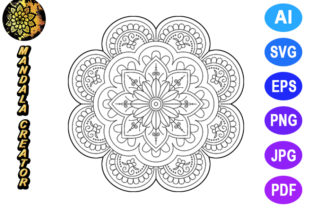
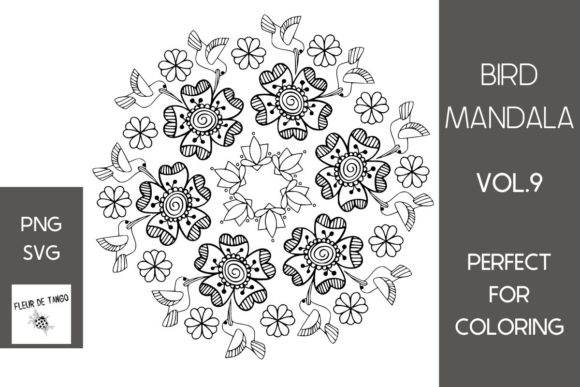
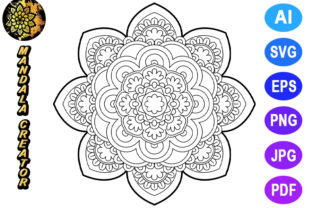
The circular flower pattern has an immediate, calming symmetry. This isn’t a chaotic, overly detailed mandala; it’s balanced and open. The mood is modern, mindful, and slightly botanical. For an embroidery project, this visual personality is a huge advantage. It feels crafted, not just decorative. I instantly pictured it centered on a linen tote bag or as a singular statement on a cozy sweatshirt. The layout, with its repeating petal-like elements, creates a natural focal point perfect for custom apparel.
Where This Mandala Finds Its Home
This vector element naturally belongs to projects where clarity and artistry matter. It would be stunning on a baby’s keepsake blanket or nursery decor, offering a gentle, handmade touch. For small business merchandise, like an embroidered patch or a pillow cover, it elevates the product’s perceived value. I can see Etsy sellers using it for a line of holiday gifts—think embroidered kitchen towels or festive aprons with this motif. Its versatility as a graphics file means you can also use it in printable mockups for your online listings, building customer trust with a professional preview.
The Real-Life Stitching Scenario
Let’s walk through a real case. Imagine you’re preparing a custom embroidered tote for a client who loves botanical patterns. You pull up this mandala in your software. The high-resolution detail means you can scale it confidently without losing integrity. You’re thinking about stitch density. The open areas within the petals are ideal for a fill stitch, while the finer lines could be handled with a running stitch or a delicate satin border. On a sturdy canvas tote, with proper stabilizer, this design would stitch out with beautiful clarity. The circular form would frame perfectly within a standard hoop.
Now, think about the finished product. The customer isn’t just seeing a graphic; they’re seeing the texture of the thread, the slight raise of the stitches. This mandala, translated into embroidery, feels intentional and skilled. That directly impacts buyer engagement and the giftability of the item. For a craft business, that handmade presentation is your brand.
Territory That Requires a Careful Approach
Not every project is a perfect fit. This design, while open, has intricate corners and details. On very small items—like a cap’s curved front or a tiny baby garment—you’d need to scrutinize the scale. Scaling it down too much might turn those lovely details into a muddy, dense stitch area. Similarly, on highly textured or stretchy fabric, those fine lines could lose definition without the right stabilizer strategy.
Dark fabric is another consideration. The design’s elegance comes from its line work; on a black background, your thread color contrast becomes paramount. A simple test on scrap fabric would reveal if a bright white or a metallic thread is needed to keep the mandala’s shape pronounced. For layered garments or items needing frequent washing, you’d want to ensure the stitch coverage is robust enough to withstand wear without fraying.
Turning a Vector into a Valuable Product
How does this file affect your work as a designer or seller? First, it provides a clean, scalable asset. For digital embroidery file sellers, it’s a versatile base. For makers, it’s a reliable starting point for personalized products. Its mood supports brand consistency if your shop leans toward zen, floral, or modern craft styles.
When I evaluate a design like this, I’m also thinking about commercial embroidery. Could this be adapted for a small shop’s branded aprons? Absolutely. Would it work as an applique design if you wanted to add fabric layers? Possibly, with some adjustments to the vector paths. The key is its adaptability from a digital design asset into a physical, stitched finished product.
Practical Notes Before You Hoop
My process always includes a dry run. For the Mandala Vector Element for Coloring, I’d advise:
- Always test on scrap fabric first, especially if you plan to use it on a new material like a textured tea towel or a slick cap.
- Check it in both black and white digital mockups to understand how it reads on light and dark backgrounds.
- Review the hoop size you intend to use. The circular shape is forgiving, but ensure your machine can handle the design’s dimensions at your chosen scale.
- Inspect the small details in your software. Zoom in. Are there any tiny intersections that might become problematic thread bridges?
- Confirm the licensing before selling any finished items or digital products derived from it. The product category suggests it’s for crafting, but always verify the specific terms for commercial projects.
Since exact stitch count or machine-specific formats aren’t detailed in the provided description, remember that as a vector file, you’ll be converting it to your embroidery machine’s format. This conversion step is where you’ll define stitch types and density, so that’s a crucial moment to make design decisions tailored to your project.
A Confident Choice for Creative Hands
In the end, this mandala vector isn’t just another file in your library. It’s a design with a strong visual identity that translates thoughtfully into the world of thread and fabric. It suits the maker creating a one-of-a-kind wedding gift, the apparel decorator adding value to a basic sweatshirt, and the digital seller building a collection of embroidery designs. Its practicality lies in its balanced detail and scalable structure. By approaching it with a tester’s mindset—checking contrast, scale, and substrate—you can turn this circular flower pattern into embroidery that feels both professional and deeply personal.