A Designer's Real-World Review of Mandala 11 to Color
Whenever a new embroidery design hits my desktop, I don’t just look at the preview file. I think about how it will live on fabric. My immediate question is: what will this feel like as a finished, stitched product? That’s the lens I’m using for ‘Mandala 11 to Color.’ As an embroidery designer and product reviewer, my goal is to give fellow makers a practical sense of its potential before you invest your time and thread.
The First Impression: A Contemplative Canvas
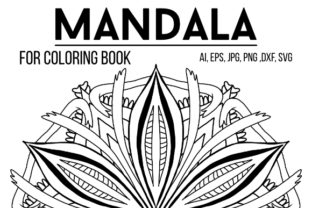
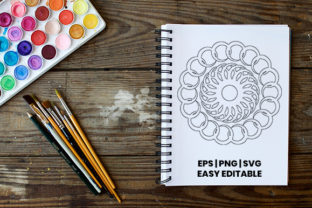
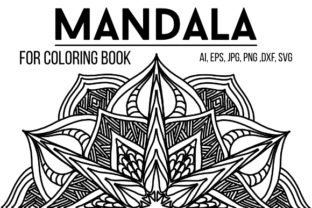
Opening ‘Mandala 11 to Color,’ the first thing that strikes you is its clarity as a canvas. It’s a classic, symmetrical mandala structure with fine, intricate layers. The mood is immediately calm, balanced, and open to interpretation. This isn’t a loud, graphic statement; it’s a detailed framework. For us in the embroidery world, that’s a fascinating starting point. This design feels like it belongs on products meant for contemplation or personalization—a meditation pillow cover, a special baby blanket, or a cherished kitchen towel in a quiet corner.
The black and white, coloring-book-style lines mean the visual personality is entirely defined by your embroidery choices. The design itself is neutral, which is a powerful tool. It won’t clash with your brand’s color palette or a client’s specific request. This makes it a versatile digital embroidery file for craft businesses that need adaptable design assets.
Where It Shines: From Totes to Tea Towels
Let’s walk through a real scenario. Imagine you’re preparing a custom embroidered tote bag for a boutique client who loves mindful, botanical themes. You choose ‘Mandala 11 to Color.’ On a natural canvas bag, using a soft slate blue and moss green thread for the different layers, this design transforms. The satin stitch for the broader rings and a delicate running stitch for the finest details would create a beautiful, tactile depth. The result is a high-value, handmade product that feels intentional and artisanal.
This adaptability is its greatest strength. Consider these applications:
- Sweatshirt embroidery: Centered on the back of a heather grey sweatshirt, it becomes a sophisticated statement piece.
- Baby embroidery: Stitched small on a cotton knit baby bib or the corner of a nursery blanket, it adds a gentle, decorative accent.
- Embroidered patches: As a standalone patch, its intricate borders would look excellent, appealing to customers looking for unique embellishments.
- Home decor: On pillow covers or linen tea towels, it elevates simple items into small shop products with a professional finish.
- Personalized gifts: Monogrammed or combined with a date in the center, it becomes a perfect wedding or holiday gift.
The key is that it serves as an elegant foundation. For Etsy sellers and apparel decorators, this can be a reliable go-to design for creating a cohesive line of custom apparel and merchandise.
The Practical Considerations: Where to Exercise Caution
With any intricate design, realism is crucial. The fine lines and concentric details in ‘Mandala 11 to Color’ require careful planning. On overly textured or stretchy fabric like a lightweight jersey tee, the smallest details might lose clarity without the right stabilizer. On dark fabric, you’ll need to think critically about thread color contrast—a white or light-colored thread might be essential to maintain the design’s definition.
It’s also a design that asks for a sufficient hoop size. Trying to cram it into a very small hoop for a cap’s curved surface could compress those intricate layers, making them look crowded. The stitch density in the filled areas needs to be balanced; too dense on a thin fabric could cause puckering. This isn’t a drawback, but a reminder: test first.
Essential Designer Notes Before You Stitch
My strong advice for using this file in any embroidery project:
- Always test the design on scrap fabric first, using the same material and stabilizer as your final product.
- Run a black and white mockup on your software to check how the lines translate to stitches, inspecting those tiny corners and junctions.
- Compare how it looks on both light and dark backgrounds in your digitizing software to plan your thread colors.
- Confirm the licensing terms for this graphic before using it in commercial embroidery or selling the finished products. Since it’s categorized under Graphics and Coloring Pages, clarity on digital product resale or physical item production is key for your business.
The Final Stitch: Impact on Your Craft Business
Choosing a design like ‘Mandala 11 to Color’ impacts more than just the stitch. It affects your product’s perceived value. A well-executed mandala on a tote bag or sweatshirt speaks of care and skill, boosting customer trust and buyer engagement. It enhances your brand’s presentation as thoughtful and detail-oriented. For a personalized gift, it feels special and one-of-a-kind, even if you use the base design multiple times.
In the end, ‘Mandala 11 to Color’ is a robust template. It doesn’t do the creative work for you—it invites you to complete it with your embroidery expertise. That’s the mark of a useful machine embroidery design for makers: it provides the structure, and you bring it to life with thread and fabric. For the designer looking for a versatile, calming, and intricate pattern to build upon, this is a solid candidate for your next project, from a holiday embroidery gift to a core item in your craft fair lineup.