A Designer’s Real-World Review of Graphics Mandala 23
Every time I open a new embroidery file, especially one labeled simply as a ‘clip art’ or ‘coloring page’ graphic, my designer brain kicks in. I’m not just looking at the image; I’m immediately imagining it stitched out on fabric, held in a hoop, translated from pixels to thread. Graphics Mandala 23 arrived with that description, and my first task was to move past its ‘coloring book page’ origin and judge it purely as a potential machine embroidery design.
The Quiet Confidence of a Balanced Mandala
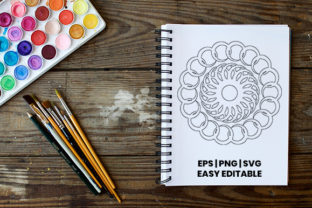
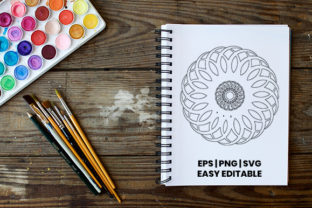
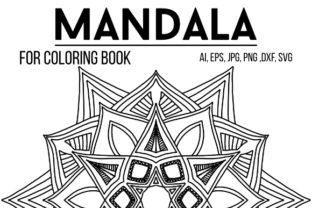
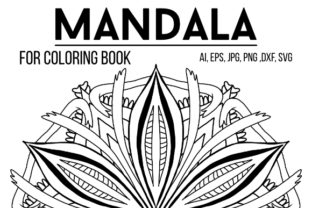
The first impression of Graphics Mandala 23 is one of structured calm. It doesn’t scream with overly intricate, impossible-to-stitch detail. Instead, it presents a balanced, symmetrical mandala with a clear central focal point and layers that radiate out in a very orderly fashion. This isn’t a chaotic, freeform doodle; it’s a composed graphic. The black and white nature is a huge plus from a practical standpoint—it removes the variable of color choice from the initial evaluation and lets you focus purely on form and density. The mood it creates is meditative, clean, and slightly modern. Its visual personality feels reliable and versatile, not niche or trendy. I instantly thought this wouldn’t belong on a loud, party-themed item, but rather on products that value simplicity and a handmade, thoughtful touch.
Where This Design Naturally Belongs in Your Project Lineup
In my workflow, I mentally slot designs into real project categories. Graphics Mandala 23 felt like a natural fit for personalized gifts and boutique-style merchandise where the embroidery itself is the star. Imagine a custom embroidered tote bag for a yoga instructor, a neat monochrome pillow cover for a minimalist living room, or a beautifully executed patch on a denim jacket. It has the graphic weight to stand alone as a statement on a sweatshirt or the centerpiece on an apron. For baby items or nursery decor, its orderly pattern feels safe and sweet, especially on a blanket or a simple wall hanging. As a holiday or wedding gift, stitched onto a high-quality tea towel or a linen kitchen towel, it would convey a sense of careful craftsmanship. For Etsy sellers and small shop owners, this design translates easily into a cohesive product line—you could offer it on totes, pillow covers, and aprons, creating a recognizable brand aesthetic.
Stitching It Out: The Practical Performance Test
The real test of any design is how it performs when the machine starts running. For Graphics Mandala 23, the key consideration will be stitch density and the clarity of its layered lines. The design appears to have areas of solid fill (the central shapes and some outer rings) surrounded by finer line work. This means your stabilizer choice is paramount, especially on stretchy fabrics like t-shirts or on textured fabrics like some sweatshirts. A good, firm stabilizer will keep those satin stitches or fill stitches from puckering the fabric.
On curved surfaces like caps, the symmetry might be challenged depending on the curve, so a test run on scrap fabric is essential. For dark fabrics, the classic black thread on a white or light fabric mockup shown in the product image is a safe bet, but reversing it—white thread on a black tote bag—could create stunning, high-contrast elegance. The level of detail suggests it wouldn’t fare well at a very small hoop size; the finer elements would likely lose clarity. Aim for a mid-to-large hoop to preserve the design’s integrity. This isn’t a design for tiny, delicate corners on a baby bib; it’s a design that needs space to breathe and be appreciated.
Areas for Careful Attention Before You Hoop Your Final Product
While Graphics Mandala 23 is promising, a professional knows where to proceed with caution. The layered lines and potential fill areas in the design mean that on thin fabrics, you risk seeing too much of the stabilizer or having the design feel overly heavy. On items that need frequent washing, like kitchen towels or everyday apparel, you’ll want to ensure your thread and stitch settings are robust to maintain that clean look over time.
From a commercial perspective, if you’re using this for embroidered patches, the density must be checked—too dense, and the patch becomes stiff and unwieldy. Also, always, confirm the licensing terms before selling finished items. Since it’s categorized under Graphics and Coloring Pages Amp, it’s crucial to verify if commercial use is permitted for your handmade products or digital product previews. Never assume.
How This Design Elevates Your Final Product’s Appeal
Using a design like Graphics Mandala 23 correctly impacts more than just the stitch-out; it affects your product’s entire perception. Its balanced, professional appearance enhances visual appeal and stitching clarity, which directly boosts perceived product value. A customer seeing this on a custom apparel item or a personalized gift will recognize the care taken—it doesn’t look hastily chosen or poorly executed. That builds customer trust.
For your handmade presentation and brand consistency, a well-chosen, well-stitched mandala can become a signature look. Its giftability is high because it feels universally pleasing, not personally biased. For your embroidery business, using designs that translate well into clean, printable mockups for your Etsy listings or craft fair promotions is key, and this graphic’s strong lines would photograph well. It engages buyers by looking intentional and skilled.
Final Designer Notes Before You Begin
My final thoughts, as if I were preparing to use Graphics Mandala 23 for a client’s order of embroidered pillow covers, are these practical steps:
- Always test on scrap fabric first, using the same material you plan for the final product.
- Check thread color contrast not just in theory, but by stitching a small segment.
- Review the stitch density by looking at the file in your software—are there massive block fills that might overwhelm your fabric?
- Inspect the small details, like the innermost lines, to ensure they’ll stitch out clearly at your chosen hoop size.
- Test the design in both black and white mockups digitally to see its effect on light and dark backgrounds.
- Use proper stabilizer—don’t shortcut this for a design with this structure.
- Finally, confirm whether the embroidery file works for both personal and commercial projects according to its license. Only then can you confidently build it into your craft business offerings, from tote bag designs to boutique branding assets.
Graphics Mandala 23, when approached with this practical lens, moves from being a simple clipart to a reliable, versatile asset in your embroidery design library. Its strength is its balance and clarity, making it a trustworthy choice for projects where the stitching needs to speak for itself.