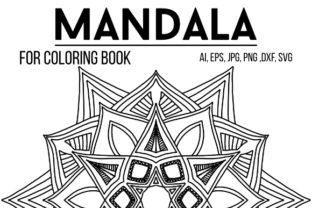
A Professional Designer’s Review of Coloring Book Mandala Graphics
First Impression: A Welcomed Sense of Harmony
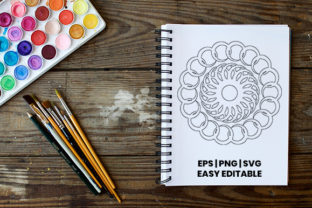
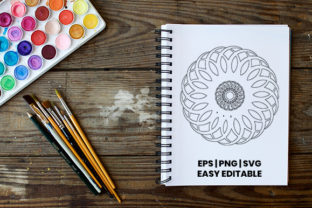
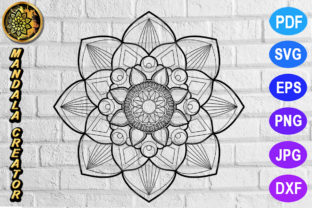
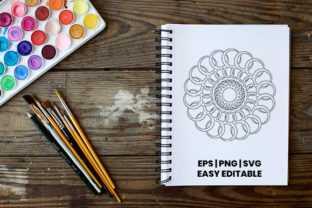
Upon opening the Coloring Book Mandala set, the immediate feeling is one of calm, intricate beauty. This isn't a loud, abstract graphic pack; it’s a collection of balanced, radial patterns that evoke mindfulness and craftsmanship. The mood is distinctly artistic and handcrafted, leaning towards the realms of wellness, spirituality, and creative hobbies. For a designer evaluating it for a real client, it instantly suggests projects for handmade businesses, boutique product lines centered around self-care, or the visual identity for a local workshop or event.
The Right Project Fit: Beyond Just Coloring Pages
This graphic design asset naturally fits clients whose branding requires a touch of organic artistry. Imagine a client launching a line of herbal teas, a yoga studio’s seasonal campaign, or an Etsy shop selling hand-painted ceramics. The mandala patterns here can serve as the foundational visual mood. They are perfect for supporting brand elements that need to feel personal and connected, rather than stark and corporate. The category of Coloring Pages Amp Graphics hints at its core use, but its application is far broader for a creative professional.
Where This Mandala Clipart Excels in Real Client Work
In practical design situations, these black and white mandalas shine in areas where detail and pattern are assets.
- Packaging Design & Product Labels: Used as a decorative border or a central motif on labels for candles, skincare, or specialty foods, it adds premium, artisanal feel.
- Social Media Graphics & Digital Ads: For Instagram posts or Pinterest pins promoting a mindful brand, these graphics create immediate visual engagement and emotional appeal.
- Printable Designs & Merchandise: As the base for Cricut projects, sticker designs, or printable wall art, the clean lines translate well to physical products.
- Website Graphics & Blog Visuals: Used as a hero graphic or a decorative accent in web design, it establishes a cohesive, thematic look for a handmade business site.
- Campaign Visuals & Invitations: For party invitations or event posters, especially those with a botanical, wellness, or crafty theme, it provides ready-made, elegant structure.
Strategic Placement: Large Areas and Decorative Accents
This set works best when given space to breathe. Use it in large layout areas like poster backgrounds or as a focal point in product mockups. It excels as a decorative accent on packaging details or as a repeating pattern in a themed collection of marketing visuals. For a print-on-demand seller, it’s ideal for larger format items like tote bags or mugs where the intricate detail becomes a feature, not a distraction.
Caution Required: When Scale and Context Matter
As a designer, I would advise careful use in certain contexts. The intricate lines can become problematic.
- Small Sizes: Avoid using it as a tiny logo or icon; the detail will vanish, harming visual hierarchy and recognition.
- Crowded Layouts: Placing it on a complex background or with too many competing elements muddies its elegance.
- Minimalist or Corporate Branding: This asset is inherently decorative. It clashes with projects requiring ultra-clean, professional corporate materials.
- Low-Contrast Designs: Its power is in its stark black and white form. Diluting that contrast weakens its impact.
Impact on Brand Perception and Professionalism
Using Coloring Book Mandala thoughtfully affects a project’s final impression significantly. It boosts emotional appeal and audience engagement for niche markets. When integrated consistently—say, across a brand’s packaging, social media, and website—it builds strong brand identity and visual trust, signaling a committed, artistic ethos. However, misuse can make a design feel busy or unprofessional. The key is to let it support the brand story, not overwhelm it.
Practical Designer Notes Before Client Use
Before committing this asset to a paid client project, run these standard checks.
- Test in Black and White: This is its native state. Ensure it holds its form when the color is removed, as it might for certain printable designs.
- Check Contrast: Place it on both light and dark backgrounds to see how the transparency (if PNGs are included) performs.
- Preview at Scale: View it at both small and large sizes to confirm its usability across different media, from digital ads to sublimation design for t-shirts.
- Place on Real Mockups: Drop it into a template for a product label, mug, or poster to assess real-world integration.
- Test Print Quality: If the project is physical, print a sample to check line integrity.
- Review File Formats: Confirm if SVG or vector files are included for editability with a client’s specific colors or slight modifications.
- Font Pairing Test: Compare it with different font styles. It often pairs beautifully with a clean sans serif for body text or a elegant script font for headers, creating a balanced modern design.
- Confirm Commercial License: Absolutely verify the licensing allows use for client or business projects in commercial design assets. This is non-negotiable.
Final Judgment: A Versatile Asset for the Right Visual Narrative
Coloring Book Mandala is more than a simple clipart set. For a designer working with clients in the creative marketplace, it’s a versatile graphic design asset that can elevate a project’s visual narrative when applied with intention. It won’t fit a tech startup’s branding, but for the small business owner selling handmade goods, the marketer crafting a seasonal wellness campaign, or the content creator building a cohesive blog aesthetic, it provides a polished, thematic foundation. Used correctly, it helps the final design feel intentional, harmonious, and professionally crafted—exactly what a client hopes for from their design investment.