Mandala Monogram Vector Art: A Designer’s Review for Graphics and Coloring Projects
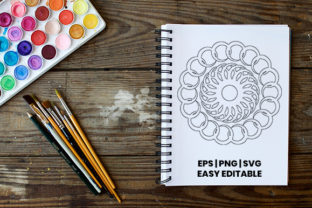
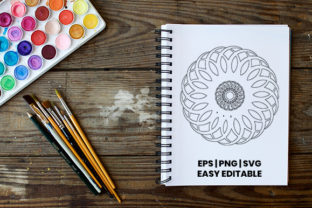
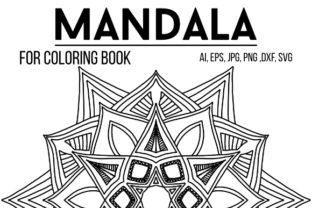
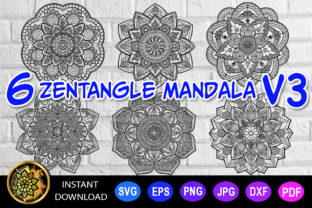
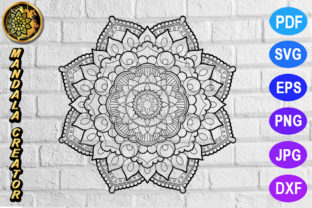
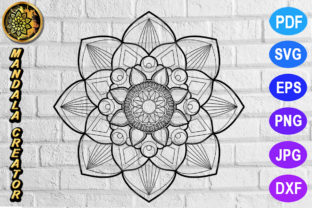
Opening the file for the first time, I’m immediately struck by the intricate balance. This mandala monogram isn’t just a pattern; it’s a structured, symmetrical artwork that feels both ancient and contemporary. The circular geometry creates a sense of harmony and focus, a visual anchor that suggests mindfulness, craftsmanship, and a touch of elegance. It’s a style that naturally fits clients looking for a handmade, boutique, or wellness-oriented brand identity—think artisan candle labels, yoga studio flyers, or a bespoke Etsy shop’s branding.
The Mood It Creates: Intricate Harmony for Modern Brands
This vector art establishes a mood of deliberate calm and decorative detail. It leans away from stark minimalism or aggressive modernity, instead offering a pathway to visual warmth. For a client project, this is powerful. Imagine applying it to a small business launching a line of herbal teas: the mandala motif on the packaging or as a watermark on their social media graphics instantly conveys natural care and artful attention. For a wedding stationery suite or a local festival poster, it injects a crafted, celebratory feel without being overly floral or casual.
Where This Design Asset Performs Brilliantly
In real design situations, this monogram’s vector nature is its greatest strength. For logo design or brand identity, it can serve as a stunning secondary mark or a detailed emblem for a primary logo lockup. In product labels and packaging design, especially for items like mugs, tote bags, or candle jars, it acts as a premium decorative accent. It scales beautifully for large format applications like posters or wall art, maintaining crisp detail.
Its suitability for cutting formats, as indicated by the included DXF file, makes it a ready-made asset for Cricut projects, sticker design, and sublimation design. This opens doors for physical merchandise and print-on-demand applications. As a graphic for website hero sections, Pinterest pins, or Instagram posts, it provides an immediate visual hook that feels more polished than a generic stock image. It can anchor a Canva template for a client’s marketing visuals, giving a DIY-friendly tool a professional base.
- Large Layout Areas: Hero graphics, poster backgrounds, large printable art.
- Product Mockups: Apparel, drinkware, packaging detail shots.
- Decorative Accents: Invitation borders, label centerpieces, blog post dividers.
- Themed Collections: Seasonal campaign visuals for a handmade business.
- Digital Assets: Website graphics, editorial design headers, digital ad backgrounds.
Caution Zones: When to Apply with Care
While versatile, this intricate mandala monogram requires thoughtful application. Its detailed nature means it can become a muddy, indistinct texture when used at very small sizes. Avoid placing it in crowded layouts where it might compete with critical text or other complex elements. On complex backgrounds, especially those with competing patterns, it loses its meditative impact.
For projects demanding very clean visual hierarchy or stark minimalist branding, this asset might introduce unwanted visual noise. It’s less suited for formal, professional corporate materials like financial reports or technical manuals, where clarity and simplicity are paramount. The key is to let it be a focal point or a deliberate decorative layer, not an incidental fill.
Impact on Readability, Branding, and Audience Engagement
Using this graphic design asset affects several core design principles. Readability is paramount: when overlaying text, ensure the mandala’s density doesn’t break letterforms. Use it as a backdrop with ample negative space, or isolate it beside clean typography. For brand consistency, it can become a recognizable repeating element across a small business branding suite, building visual trust through consistent artistic quality.
Its emotional appeal is strong—it connects with audiences valuing aesthetics, mindfulness, and craftsmanship. This can boost audience engagement on social media graphics or in marketing visuals. The overall impression it lends to a project is one of considered creative design, elevating a simple digital product or printable design to feel more like a bespoke commercial design asset.
Practical Designer Notes Before Client Use
Before committing this asset to a real client project, run these quick tests. First, test it in black and white to see if the detail holds without color. Check contrast by placing it on both light and dark backgrounds in your mockup. Preview it at small and large sizes to confirm scalability—a true vector file should handle this flawlessly.
Place it on real mockups of the intended product, whether a t-shirt design, a mug, or a product label. If possible, test print quality at a high resolution. Review the provided file formats; understand that a DXF file is geared for cutting machines like Silhouette, but for general design work, you’ll likely need to convert or use it in conjunction with other vector software.
Compare the mandala’s style with your chosen typography. It often pairs beautifully with clean sans serif fonts for balance, or elegant script fonts for a unified ornate feel. It may clash with very rigid serif fonts or overly casual handwritten fonts. Most critically, confirm commercial licensing for this digital product. Ensure your usage for the client’s commercial design assets, whether for an Etsy product line or print-on-demand merchandise, is covered under the license terms.
A Valuable Tool in the Creative Marketplace
Ultimately, the Mandala Monogram Vector Art proves to be a specialized but highly useful tool in a designer’s arsenal. It’s not a generic clipart; it’s an illustration with a specific mood and structural intelligence. For designers servicing niche brands, craft-based businesses, or campaigns needing a touch of artful serenity, it provides a ready-made, editable foundation. It shortcuts the time needed to create complex symmetrical art, allowing focus on layout, typography, and overall brand narrative.
Remember, as with any digital product, no physical item is shipped. You receive a digital file bundle instantly—in this case, a ZIP with the cutting format—ready to integrate into your workflow. When used with the practical considerations above, this asset can help a client’s project feel cohesive, polished, and visually engaging, turning a simple concept into a compelling creative marketplace offering.